

Sustainable Christmas
Here are some simple tips and sustainable Christmas ideas that can help lessen your environmental impact and keep the focus on what’s really worth celebrating at this time of year.
Let’s make this the season of goodwill, not the season of landfill.
Sustainable Christmas Meals
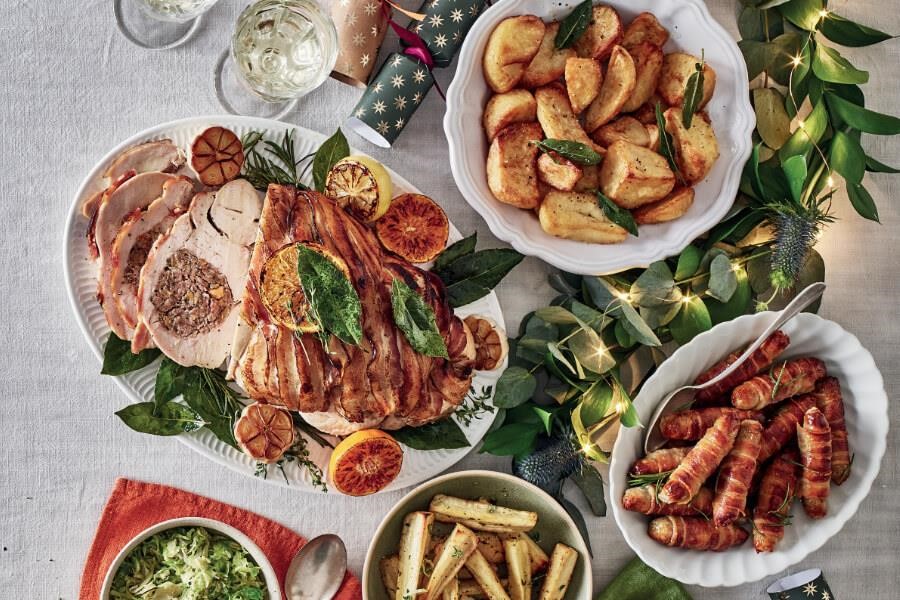
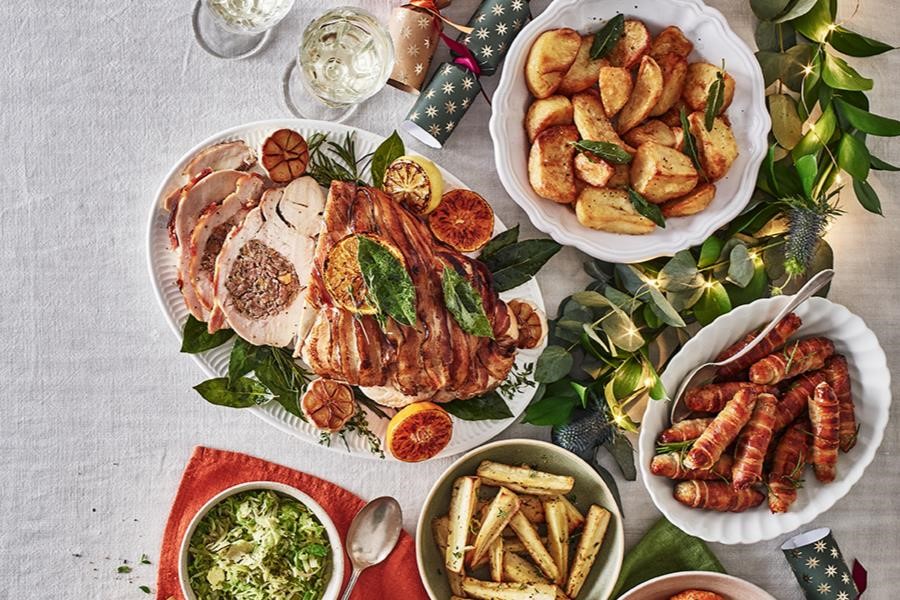
If, like the glam rock band Wizzard, you wish it could be Christmas every day, we have good news: some traditional Christmas fare has a lot going for it when it comes to sustainability. Here are a few things to bear in mind when planning your Christmas dinner.
Seasonal Veg
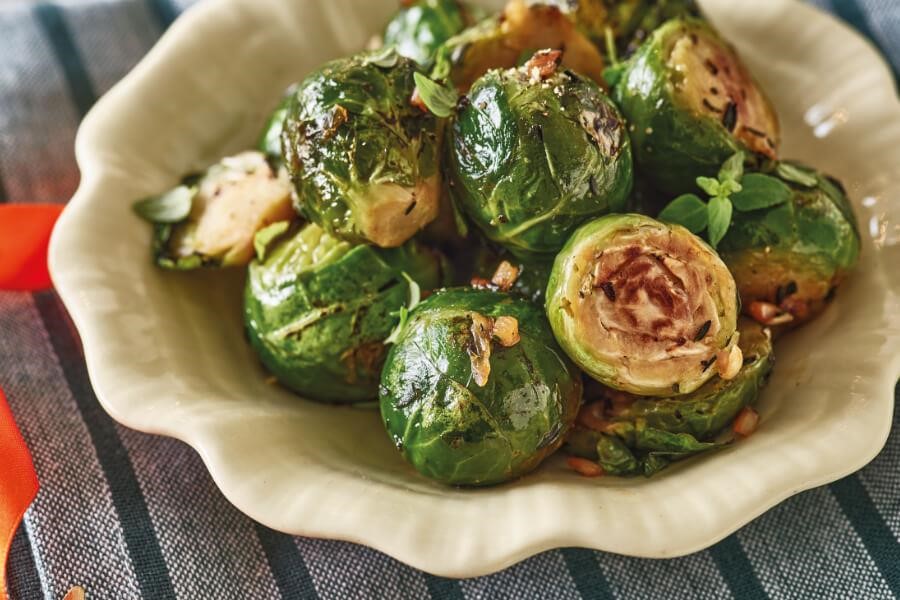
Embrace the amazing winter veg this year. So many Christmas favourites are in season in the UK: red cabbage, parsnips, Brussels sprouts, carrots, potatoes and Jerusalem artichokes. Look for British-grown options where you can, and give them plenty of room on your plate.
Turkey
A kilogram of turkey creates notably less carbon than beef, lamb, pork and cheese. At COOK, we just use turkey crowns, but the family-run farm in East Anglia sells on the legs and wings, and the carcasses are used for stocks and pet food, so nothing is wasted. That’s just how it should be. Investing in an organic and sustainable Christmas turkey doesn’t only help the environment, but is also delicious for everyone you have around on the big day.
Eat Less Meat
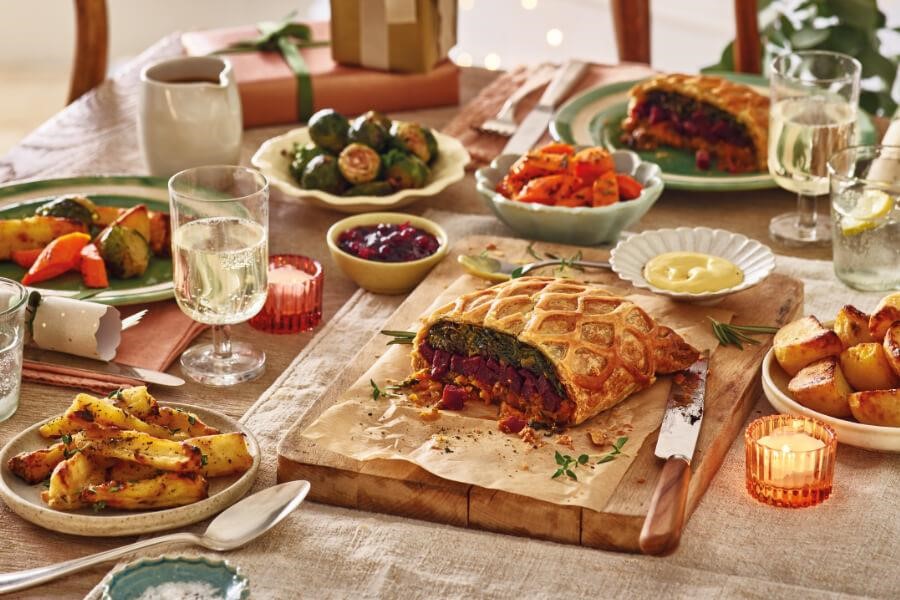
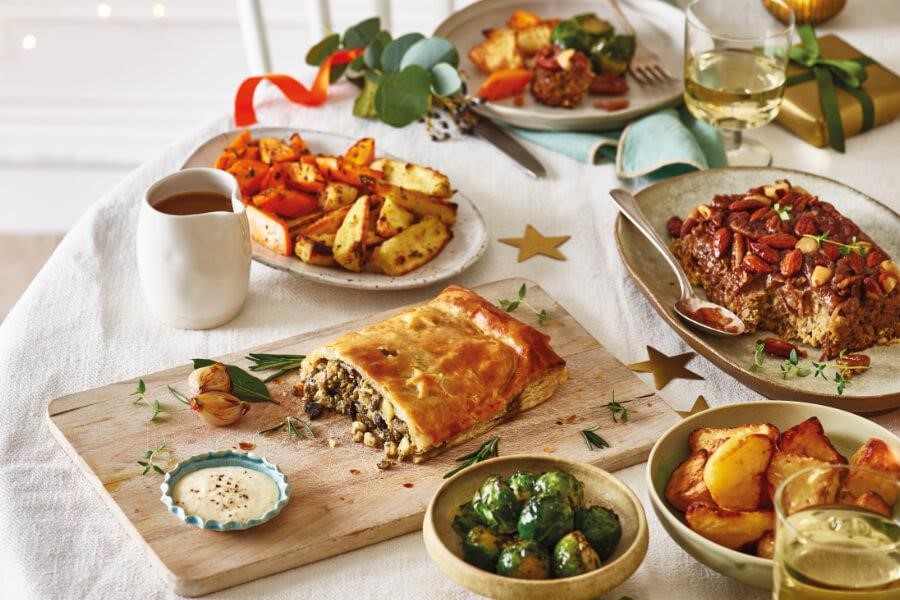
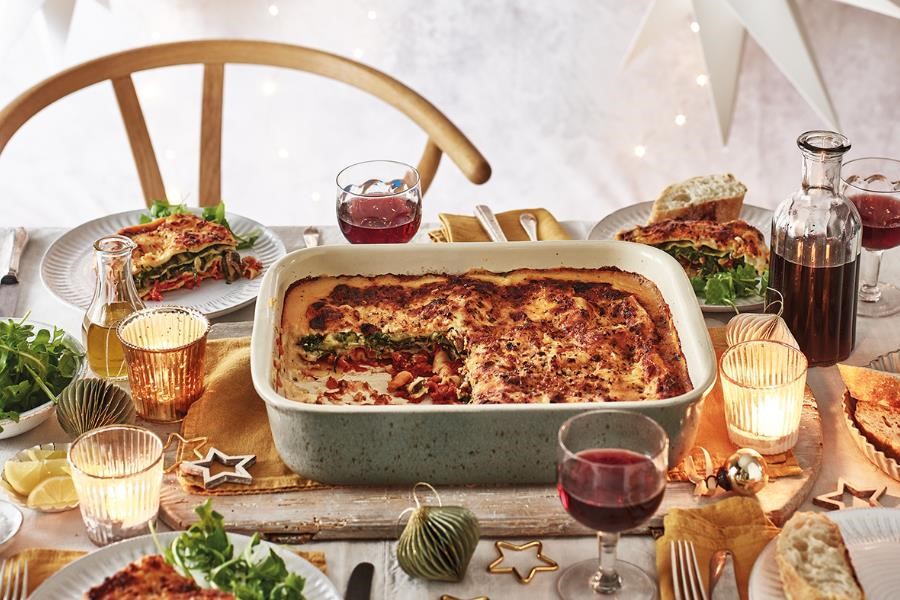
You can be traditional without loading up on meat for every meal. Try adding a few more veggies and a little less meat to your casseroles, or switching a few meals to veggie alternatives: a vegetable lasagne instead of beef, a nut roast one day instead of yet more roast meat. Eating more plant-based food can help reduce the environmental impact of your meals.
Leftovers
There’s a lot to love about tasty leftovers in the wake of Christmas Day. Turkey curry, bubble and squeak, cold cuts and baked potatoes…leftovers are so versatile, and using them makes good sense, financially and environmentally.
Given the nature of our business at COOK, you won’t be surprised that we’re fans of the freezer. It keeps food good for longer, so you can save those extra portions for another day rather than letting them go to waste. But it is easy to overestimate at Christmas, so check what you already have before shopping, plan your portions and leave a little freezer space for leftovers.
When you’re putting leftovers in the freezer, don’t forget to label everything with the contents and date, and use your food waste collection or compost suitable vegetable peelings if you can.
Buy British
There are so many great suppliers and farmers in the UK – why not support them this year? Look out for British alternatives to your favourite festive treats. And, when it comes to festive tipples, remember to recycle those bottles and cans.
Food Waste
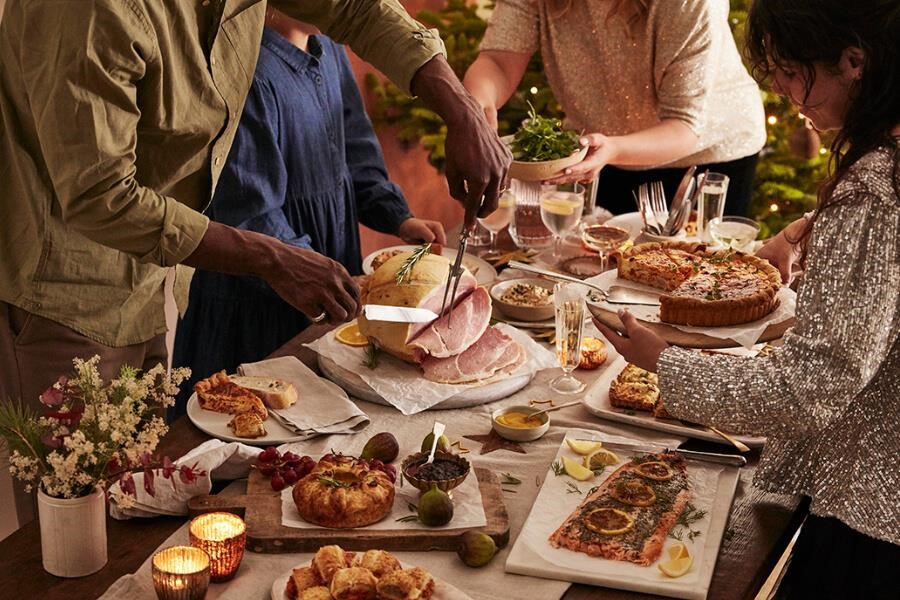
Given the nature of our business at COOK, you won’t be surprised that we’re fans of the freezer. It’s easy to overestimate at Christmas, but don’t let all that lovely leftover food go to waste - it really helps your Christmas dinner become more sustainable.
The rule of thumb is that meat can be frozen once in its uncooked state and again in its cooked state (just don’t store them together). Milk, bread, even cheese can be frozen too. Just be aware that anything with a high-water content (like soft cheese, tomatoes and strawberries) will go mushy after freezing, although they will be fine to cook with.
As for proper food waste, like vegetable peelings, compost them if you can (or make a veggie stock!). If your council doesn’t run a food waste collection service, you can always add a PS to your Christmas card, asking them to start one.
Can I Buy A Sustainable Christmas Tree?
Real or fake? What you already have, how long you use it and what happens afterwards all matter.
Fake Trees:
- A good fake tree will last for years. If you already have one, keep using it for as long as possible. If it’s still in good condition when you’re ready for a change, find it a new home.
Real Trees:
- Choose a responsibly grown British tree, or consider renting one locally. A pot-grown tree with roots is another option if you have somewhere suitable to care for it year-round.
After Christmas, have your cut tree chipped for mulch or compost through a local collection or drop-off scheme. Remember to remove all decorations first.
Sustainable Christmas Decorations
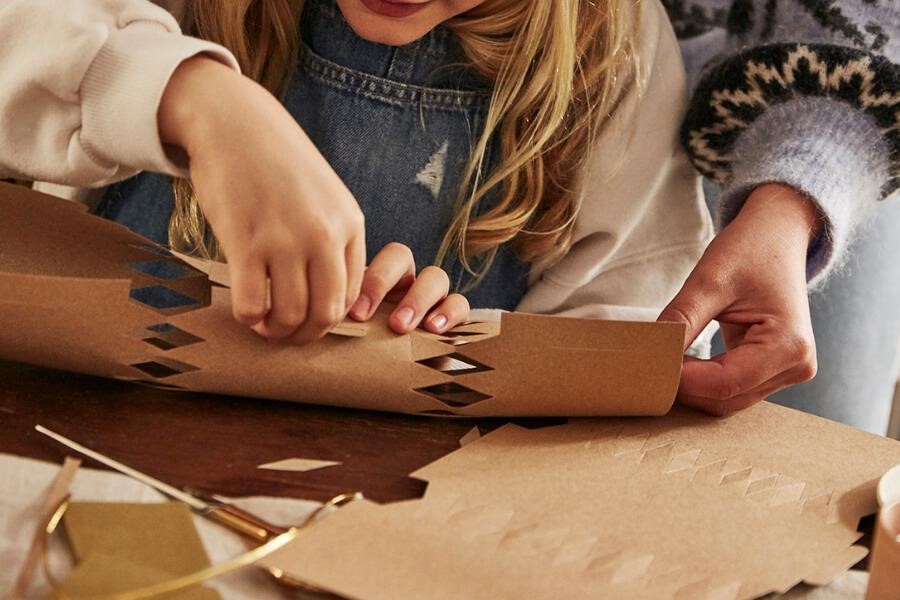
Bring a bit of your family history to life by reusing tree decorations from your childhood, if you can. Alternatively, check out pre-loved decorations in charity shops or online.
Dried slices of citrus fruit look lovely hung up with ribbons. With a little imagination, you can make your tree look magical without spending a small fortune on shiny plastic.
As for lights, choose LEDs when replacing old sets, and make sure you switch them off before bed.
Recyclable Christmas Wrapping Paper
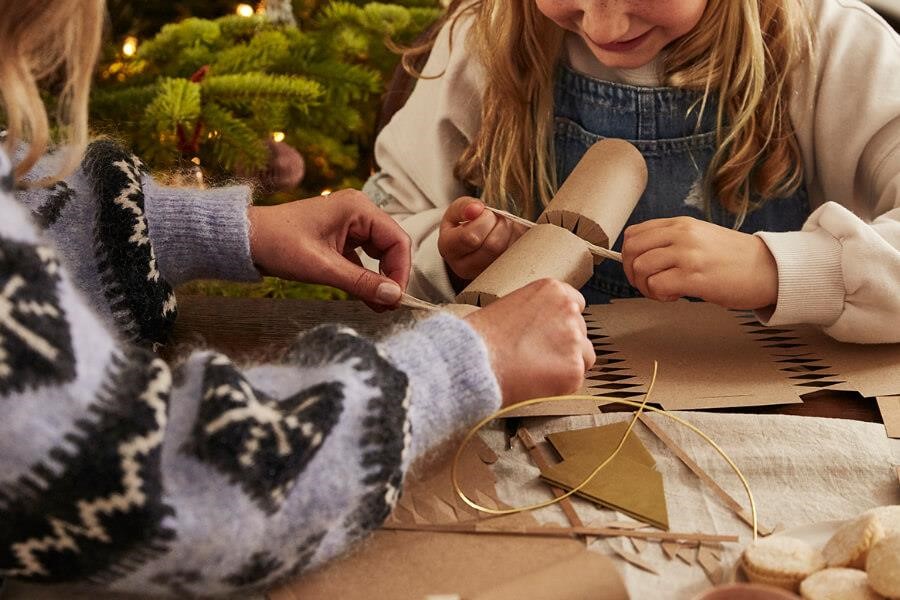
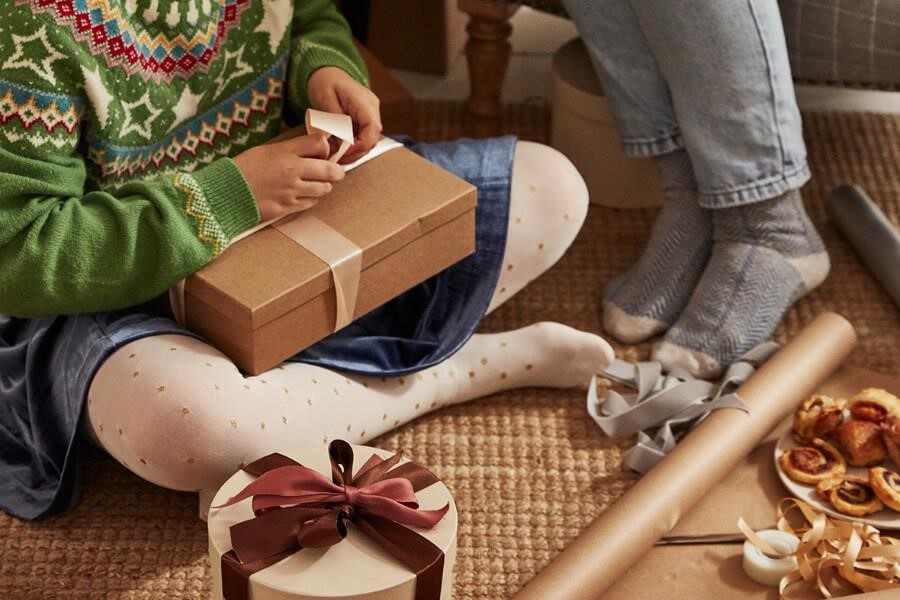
Some wrapping paper contains plastic, foil or glitter, which means it can’t go in your paper recycling. Plain, uncoated paper is a better option – or reuse gift bags, ribbons and wrapping from previous years.
The scrunch test (scrunch up your wrapping paper into a ball and it stays there, it’s recyclable; otherwise it’s not) can help identify suitable paper, but it isn’t a guarantee: check what your council accepts, and remove sticky tape and decorations before recycling.
Christmas Gifts
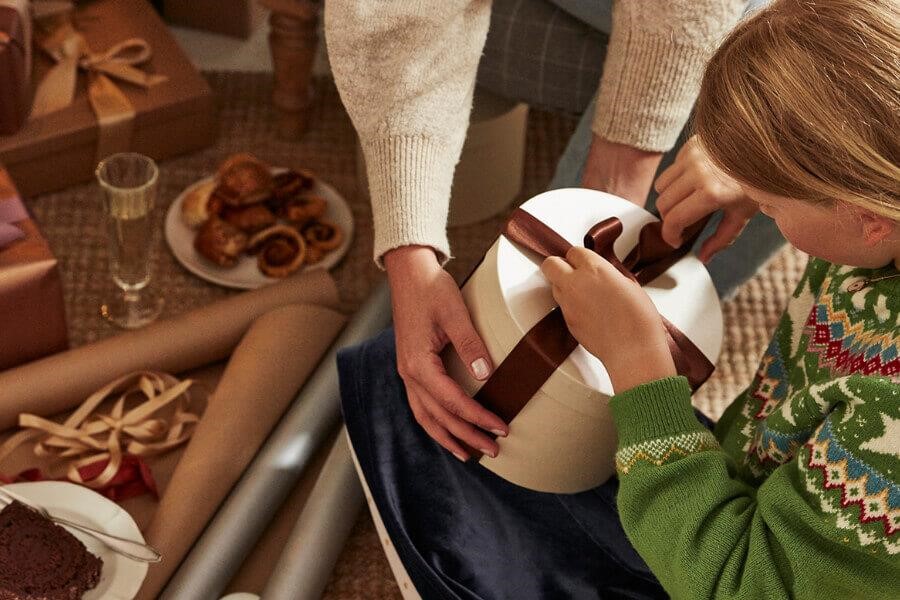
Giving is a really special part of Christmas, but it doesn’t have to mean more new stuff (funny socks are, after all, funny for all of about 10 seconds). You’ll find loads of unique, pre-loved presents in charity and antique shops, as well as online. Something homemade or a donation to a charity close to someone’s heart can be thoughtful, too.
Last but not least, consider giving an experience rather than an item. A family cinema trip, a theatre visit, dinner at a favourite restaurant or membership of a wildlife charity can be enjoyed together – and are the stuff special memories are made of. With the cost of living going up and up, things like this are becoming more of a treat.
Support Sustainable Businesses For Christmas 2026
Every company will be vying for your Christmas budget. We’re no exception at COOK, as Christmas is hands down our busiest time of year. Every pound you spend is like a little vote for the world you want to live in, so spend wisely.
A good start is to look for the B Corp logo. COOK is a founding member of the B Corp movement in the UK, part of a global community of businesses working to benefit people and the planet.
Certification assesses a company’s social and environmental performance, accountability and transparency.
Whether you’re outsourcing some of the cooking or looking for stocking fillers, take a look at what businesses are doing behind the scenes. You’ll find plenty to explore in the B Corp directory.
There’s no need to do everything at once. A few small changes, from using up the roasties to giving those old decorations another outing, are a great place to start.