






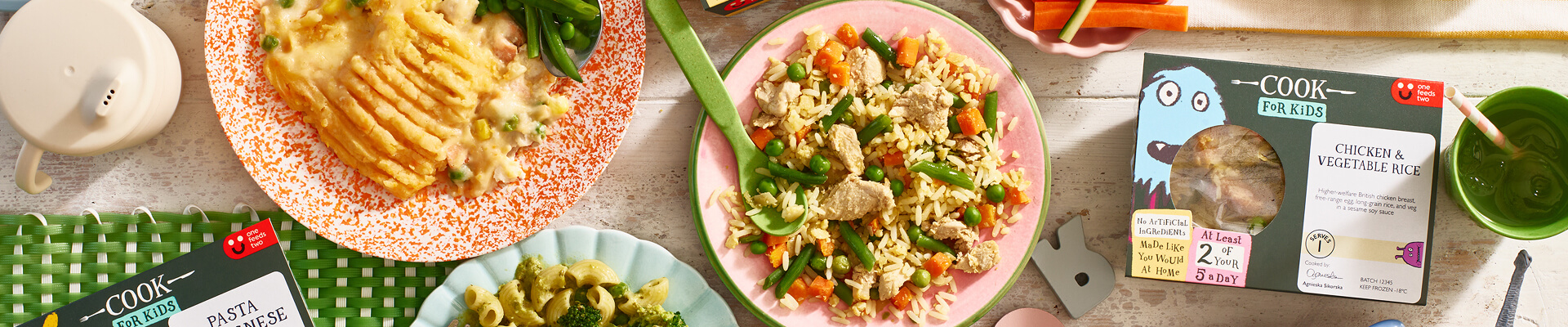
Feeding toddlers doesn’t have to be this hard:
Simple, no-stress tips that actually work
By Laura Matthews, Registered Nutritionist (RNutr) and one of the UK's leading experts in children's food and nutrition. After a decade as Head of Nutrition for Jamie Oliver, she launched her own consultancy helping nurseries improve the quality of food served to children.
If your toddler has ever refused a meal they happily ate yesterday, you're not alone - and you're definitely not doing anything wrong.
This stage of childhood is meant to be a bit unpredictable. Growth slows after infancy, appetites dip, and toddlers become more cautious with new foods - all of which makes eating patterns look inconsistent from day to day.
A simple shift that can make a big difference? Focus less on what they eat in one meal, and more on what they eat across the week.
Why toddlers are fussy (and why it’s normal)
Mealtimes can feel like a battle at this age - but food refusal is a completely normal part of toddler development, not a problem to be fixed.
Toddlers are going through huge changes:
-
They’re becoming more independent
-
They’re learning to assert control
-
Their growth rate slows (so appetite often drops)
At the same time, many toddlers develop a natural caution around new or unfamiliar foods - you put something new on their plate and they refuse to go anywhere near it! This is known as 'food neophobia' and it's a perfectly normal protective instinct, not a sign that something is wrong.
It’s also worth remembering that toddlers don’t eat the same way adults do:
-
It’s common for toddlers to eat more earlier in the day than at dinner, as they’re often tired, overstimulated, or distracted by the end of the day.
-
They often go through phases of loving (and rejecting) the same food
-
They may prefer familiar foods over new ones
All of this is normal - even if it feels frustrating in the moment.
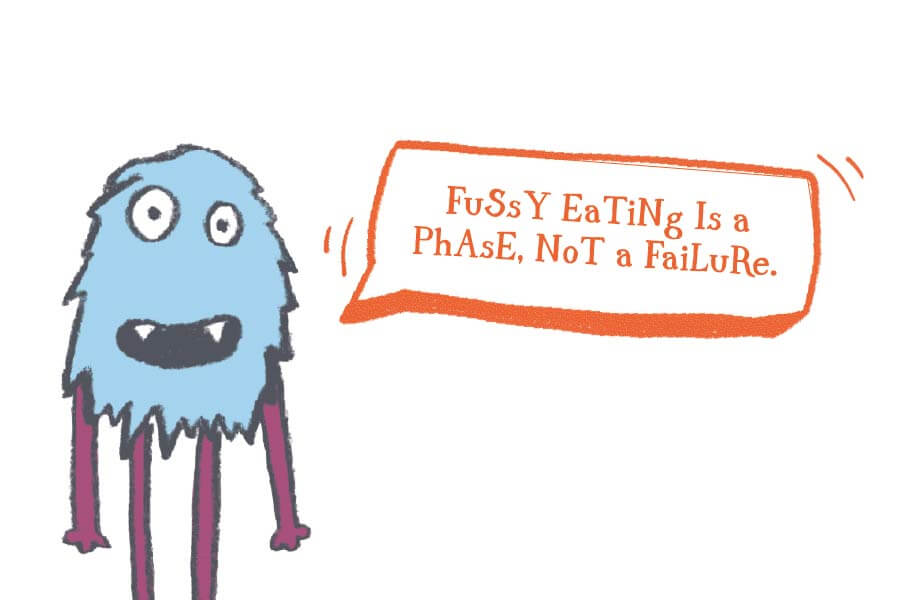
Key takeaway: Fussy eating is a phase, not a failure.
Easy meals for toddlers (that actually get eaten)
When you're searching for quick dinner ideas, it's easy to fall into the trap of desperately trying to find a meal your child will actually eat.
Here are some simple ways to make mealtimes more manageable:
-
Always include one familiar food
This gives your child something they feel comfortable with, even if they ignore the rest.
-
Keep meals simple.
A protein, a carb, a fruit or veg and something dairy - that's a balanced plate. Nothing more needed.
-
Try “bits and pieces” plates
Mix it up and fill a single plate with small amounts of different foods sitting separately. Think a few cubes of cheese, some sliced chicken or a boiled egg, cucumber sticks, crackers and some fruit. Many toddlers find this less overwhelming and more inviting than a combined dish.
-
Deconstruct meals where needed
If your child resists mixed foods, serve items separately (e.g. pasta, veg, and chicken on the same plate but not combined, or touching).
-
Repeat meals regularly
Familiarity builds acceptance - even meals that get rejected are worth offering again. Research shows it can take many exposures before a child accepts a new food, so don't give up after the first refusal.
-
Use leftovers and mix it up
You don't need a brand-new meal every day. Leftovers are a perfectly good option. Try serving a different vegetable or starchy carbohydrate on the side to introduce some variety without starting from scratch. Got a veggie chilli to use up? Serve it with sweet potato wedges one day and brown rice the next.
On busy days, having a shortlist of quick, reliable meals can make all the difference. Think about building your own repertoire of go-to dishes that use store cupboard staples - tinned tomatoes, pasta, lentils, eggs, frozen vegetables - so you always have the ingredients for a simple, balanced meal to hand.
Key takeaway: Think less 'perfect plate' and more 'did I offer a variety of foods in a calm, low-pressure environment?'
Portion sizes: How much should a toddler eat?
Portion sizes are one of the biggest sources of worry for parents - but toddlers are actually very good at regulating their own appetite when given the chance.
The challenge is that adult expectations don’t always match toddler needs.
Some helpful guidelines:
-
Start with small portions - you can always offer more
-
Use your child’s hand size as a rough guide
-
Expect intake to vary from day to day
A child's appetite can also vary for all sorts of reasons - tiredness, illness, teething, a growth spurt, excitement, distraction or simply having had a bigger snack than usual. A family gathering, a birthday party or even just eating somewhere unfamiliar can all affect how much a toddler eats at any given meal. This is completely normal and not a reflection of your cooking or your child's relationship with food.
A helpful way to think about meal and snack times is the 'you provide, they decide' principle - your role is to decide what food is offered, when it's offered and where. Your child's role is to decide whether they eat it and how much. Trying to control the amount a child eats - whether encouraging them to eat more or less - can actually work against their natural ability to regulate their own appetite.
Key takeaway: It’s your job to offer the food - it’s their job to decide how much to eat.
How to get more veggies in (without hiding them)
If you’ve ever tried to hide vegetables in your child’s food, you’re definitely not alone.
However, children need the chance to see, touch, and get used to vegetables in their natural form - even if they don’t eat them straight away.
Some practical ways to build acceptance:
-
Aim for variety across the week
Think “eat the rainbow” rather than cramming everything into one meal.
-
Offer vegetables in different forms
Roasted, steamed and grated - it all counts.
-
Keep portions small and low-pressure
A tiny amount on the plate is enough.
-
Model eating them yourself
Children are more likely to try foods they see others enjoying.
Key takeaway: It’s okay if they don’t eat the vegetables yet - seeing them still counts.
Healthy snack ideas for kids
Snacks can help fill nutritional gaps and keep energy levels steady, but they can also reduce appetite for meals if offered too frequently or too close to mealtime.
A helpful way to think about snacks is as mini meals.
Try to include:
-
A source of energy (e.g. bread, crackers, fruit)
-
Something more filling (e.g. cheese, plain yogurt, houmous, nut butter)
Some easy options include:
-
Crackers with cheese
-
Apple slices with peanut butter
-
Yogurt with fruit
-
Toast with houmous
Keeping a loose routine - such as a mid-morning and mid-afternoon snack - can help your child come to meals with a healthy appetite.
How to make mealtimes less stressful
Mealtimes can quickly become stressful when a parent is willing their child to eat and a child is feeling pushed to do so - but small changes can make a big difference.
Some practical ways to create a calmer environment:
-
Avoid pressure or bribing
Phrases like “just one more bite” can actually increase resistance over time.
-
Keep language neutral
Try not to label foods as “good” or “bad.”
-
Eat together when you can
Even occasionally, this helps model positive eating habits.
-
Stick to a routine
Predictable mealtimes help children know what to expect.
-
Set a clear end to meals
Once your child has stopped eating and lost interest, it's okay to end the meal - lingering too long can increase tension for everyone.
Key takeaway: The goal isn’t a perfect meal - it’s a positive experience around food.
A final thought
There's no such thing as a perfect mealtime with a toddler - and you don't need one. What matters most is what happens over time, and trusting that small, repeated efforts add up. You're doing better than you think - and your child is learning, even on the days it doesn't feel like it.
Laura Matthews is a Registered Nutritionist (RNutr) and one of the UK's leading experts in children's food and nutrition. After a decade as Head of Nutrition for Jamie Oliver, she launched her own consultancy helping nurseries improve the quality of food served to children.